

Celebrating AANHPI Breastfeeding Week:
A NICU Lactation Consultant’s Perspective on Inclusive Care
September 4th, 2025
By: Catherine Chan, BS, IBCLC
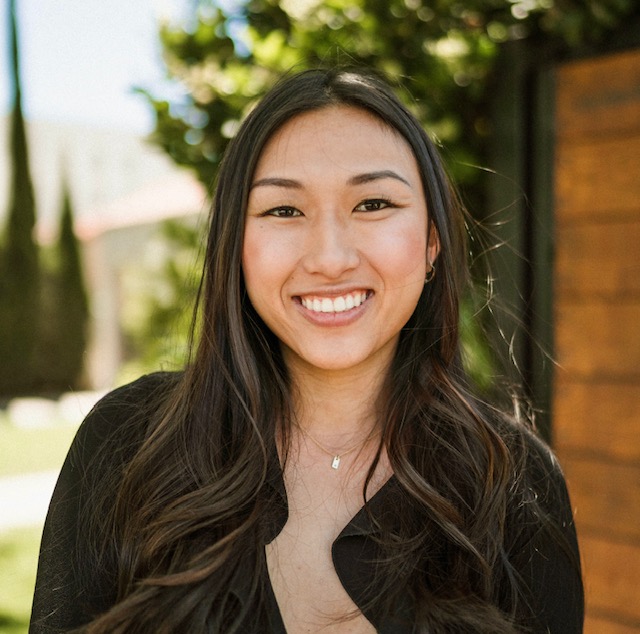 As USLCA joins in celebrating AANHPI Breastfeeding Week, we honor lactation care providers like Catherine whose work reflects our shared commitment to equity, representation, and inclusive access to care.
What misconceptions about lactation consulting do you frequently encounter, and how do you address them?
When I meet mothers for the first time in the NICU, many worry that the consultation will be difficult, stressful, or forceful. I strive to make our time together positive and reassuring, letting mothers know that their comfort and emotional wellness matter just as much as their baby’s feeding abilities.
How do you bridge cultural gaps when providing lactation support to families from diverse backgrounds?
I believe that every person deserves detailed communication when it comes to the care of their infant. In my current workplace, we have the ability to use virtual or in-person translator services.
I do my best to schedule in-person interpreters in advance for patients who speak other languages. My goal is for every patient to feel fully heard, have all of their questions addressed, and know they are receiving the same level of care as anyone else.
What has been your most challenging case as a lactation care provider, and how did it contribute to your professional growth?
In the NICU, many of our moms to premature infants are relying on pumping to build their supply, while they wait for their baby to be ready for breastfeeding. On occasion, there will be a mother who unfortunately is unable to build their milk supply despite having multiple lactation consultations to assess their health background and pumping regimen. Some of these mothers spend weeks-months pumping 8+ times per 24 hours, trialing different flanges, and trying different galactogogues with limited success. These situations are difficult, but they have taught me that lactation care must be flexible and family-centered. Even when alternative feeding methods are needed, breastfeeding can remain a positive and meaningful bonding experience between mother and baby.
How can the lactation care field better address systemic inequities in maternal and infant health?
Partnerships like these reflect the heart of USLCA’s vision: ensuring that every family has equitable access to culturally responsive lactation care.
As we celebrate AANHPI Breastfeeding Week, USLCA honors lactation care providers like Catherine Chan who embody compassion, cultural humility, and a deep commitment to equity. Together, we work toward a future where every family, regardless of culture, language, or circumstance, has access to the lactation support they need.
About the Author: Catherine Chan, BS, IBCLC
I graduated from California State University, Long Beach with a degree in dietetics, but I found my calling in lactation during a “Nutrition Through the Life Cycle” course in my sophomore year. At this time, I decided to pursue my CLEC at UC San Diego Extension. After working as a nutritionist at WIC, I earned my IBCLC certification and have spent the past six years in the NICU at Cedars-Sinai. I love being able to walk alongside parents during such a special time and help make feeding their baby feel less stressful and more joyful.
The content of this post does not imply endorsement and may not reflect the position of USLCA.