

Rooted in Tradition: Celebrating Black Excellence in Breastfeeding Support
September 17th, 2025
By: Kiana Ayers, RN, IBCLC, LCCE
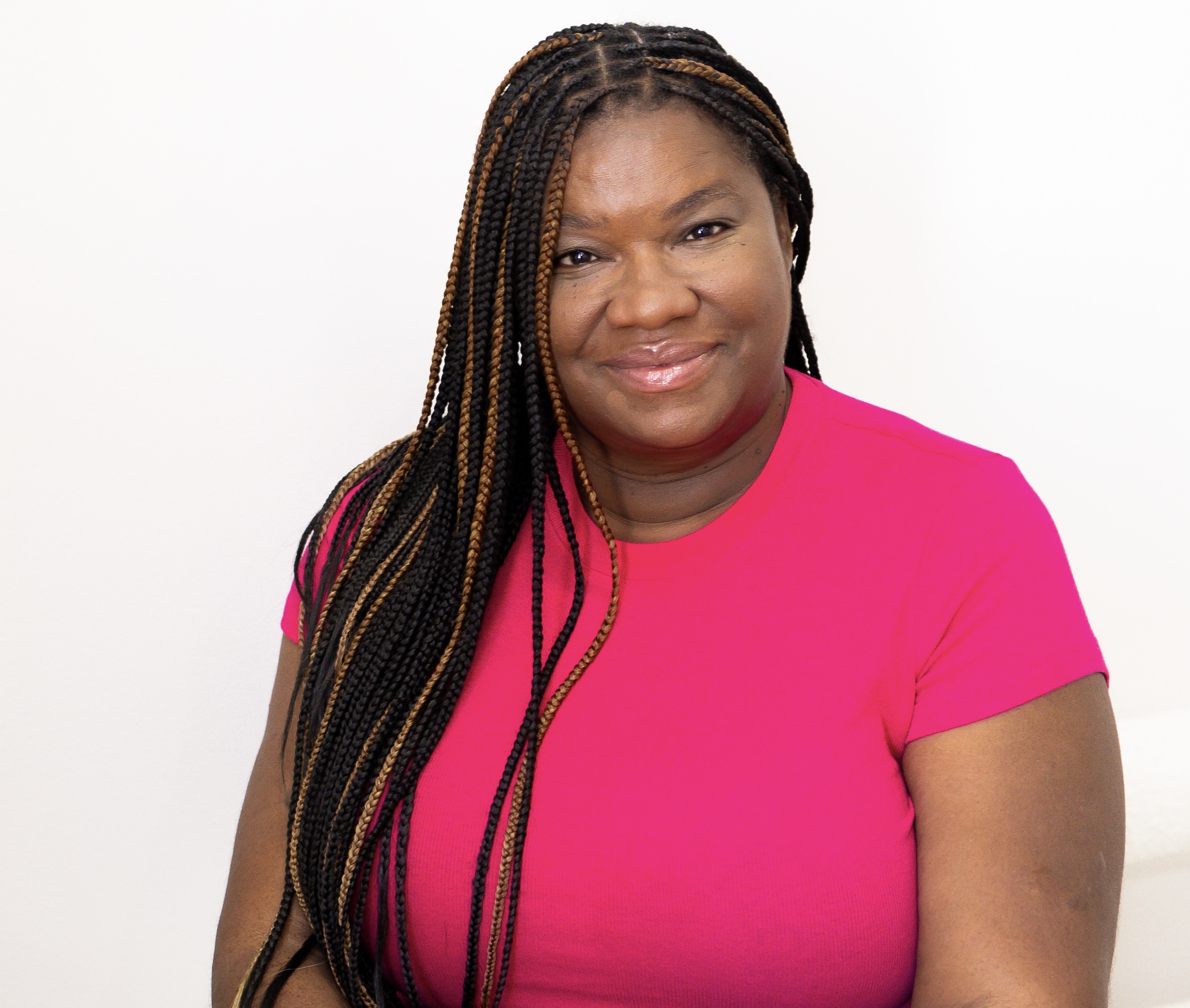 This August’s Black Breastfeeding Week theme, “Boots on the Ground: Rooted in Breastfeeding Success, Grounded in Community Support,” highlighted the importance of providers who work directly within the communities they serve. At USLCA, we support lactation professionals from all backgrounds and work to remove barriers that prevent families from accessing quality breastfeeding care.
Kiana Ayers embodies this “boots on the ground” approach by connecting hospitals and clinics with the neighborhoods where families live. Through Ready Set Push Inc and the Metro Atlanta Mothers Milk Alliance, she trains Certified Breastfeeding Specialists from the communities they serve, building local support networks that address the specific challenges families face in accessing lactation care.
- About Me / Career
Question: How has your personal background influenced your approach to lactation care, and what unique perspectives do you bring to the field?
I’m a third-generation breastfeeder. My grandmother breastfed her children at a time when doing so wasn’t always encouraged. She made sure her daughters breastfed, and I proudly continued that tradition. I even recorded a video about her story on my YouTube channel, because it’s such a powerful reminder of how culture and family influence care. My journey into lactation care wasn’t born from a lack of support, but from the presence of it. Breastfeeding was modeled for me as something peaceful, natural, and completely normal. I grew up knowing that women who looked like me breastfed. It was only later, as I became a nurse and lactation consultant, that I realized how many families had never seen that; how many were intentionally denied that experience due to systemic racism, lack of representation, or misinformation. That realization ignited my desire to make sure more families could access that same sense of normalcy, joy, and confidence around feeding their babies. Through Ready Set Push, I’ve focused on meeting families physically, emotionally and culturally where they are.
My unique perspective lies in bridging the formal healthcare system with the informal networks that many families, especially low-income or BIPOC communities, rely on. Whether that means offering classes in community centers, hosting baby showers that double as health education events, or training community members to become Certified Breastfeeding Specialists, my approach is rooted in accessibility, cultural humility, and respect for each family’s lived reality.
- Community and Advocacy
Question: How do you advocate for improved lactation support within your community, particularly for underserved populations?
Our advocacy is hands-on and systemic. We launched the Metro Atlanta Mothers Milk Alliance to address a critical gap in access to safe donor milk during breastfeeding emergencies. We also created Ready Set Latch Café; launching in October 2025 which will be a weekly drop-in support space staffed by trained CBSs, many of whom are members of the community they serve. These initiatives educate, build trust and reduce harm.
We know that Medicaid in Georgia doesn’t reimburse for IBCLC visits, and pumps often require delayed prior authorization. This leads to preventable weaning. Our advocacy includes working directly with hospitals and OBs to create referral pathways, helping Medicaid families access pumps immediately, and collecting data to push for policy change.
We also use grant funding to train the next generation of lactation leaders from the communities most affected. Advocacy, for me, means equipping communities to advocate for themselves while also holding systems accountable.
- Impact and Future Goals
Question: How can the lactation care field better address systemic inequities in maternal and infant health?
We must stop treating lactation as an add-on and start seeing it as a core public health service. To address systemic inequities, families need access to paid lactation care across all settings, with particular attention to Medicaid recipients and those historically excluded from equitable care
We also need to rethink our path to becoming an IBCLC. The current IBCLC pathway is long, expensive, and often inaccessible to people from the very communities we need to serve. We should invest in community-based roles like CBSs, equip hospitals to refer to them, and recognize their contributions as part of a tiered model of lactation care. At Ready Set Push, we are modeling that. We are creating a replicable model in Clayton County that links hospitals, OB offices, and peer support workers. Systems change only happens with data. That’s why we’re tracking outcomes and we see reduced formula need, increased duration rates, and more equitable pump access. I want to see a decade where the standard becomes inclusive, affordable, and community-rooted care for all.
- Professional Challenges and Growth
Question: In what ways do you think the USLCA could better support lactation care providers from marginalized communities?
USLCA has an opportunity to lead the way in dismantling barriers to entry and retention for marginalized providers. That starts with addressing the financial and structural hurdles of certification. Many of us come to this work through non-traditional paths, and we may not work in hospitals or have thousands to spend on coursework. Scholarships, mentorships, and support for transitions such as CBS-to-IBCLC are critical to ease the burden. USLCA can also amplify the voices of community-rooted providers through speaker invitations, board representation, and spotlighting grassroots programs that are often overlooked. By listening deeply and co-creating solutions, USLCA can ensure its work reflects the realities of those serving families at the margins.
As we celebrate Black Breastfeeding Week, USLCA honors leaders like Kiana Ayers who embody the power of culturally responsive, community-driven lactation care. Together, we remain committed to dismantling barriers, uplifting underrepresented providers, and ensuring that every family—regardless of race, income, or geography—has access to the care they deserve.
Ready to support equity-driven lactation care? Join USLCA in building a more inclusive future for breastfeeding support. Whether you’re interested in learning about community-to-IBCLC pathways (https://www.facebook.com/groups/AspiringIBCLCs) , supporting scholarship programs for underrepresented providers (https://uslca.org/scholarship/) , or contributing to initiatives that expand access to quality lactation care, your involvement makes a difference. Visit www.uslca.org to explore membership, donate to our equity initiatives, or discover how you can help ensure that every family receives the “boots on the ground” support they deserve.
About the Author: Kiana Ayers, RN, IBCLC, LCCE
Kiana Ayers, RN, IBCLC, LCCE, has a passion for helping families with prenatal education to include childbirth classes and breastfeeding. A Registered Nurse more than past 20 years, she has been teaching and supporting families with prenatal and postpartum education and support for the past 10 years. She is wife and mother of four breastfed children. The goal of providing access to care for all families is what drives her to continue to be innovative. She started Mamas and Tatas in Jonesboro, GA, after having a desire to help women in her community with lactation. She quickly saw that the offering can be cost prohibitive for some families. She then founded Ready Set Push Inc offering Lamaze childbirth education and breastfeeding support for low-income families. She is also taking the lead in a postpartum blood pressure program, co-hosting a postpartum support group, hosting MAMMA which provides a safer way to informally share human milk and hosting community baby drives and resource fairs. She is happy to continue to make quality evidenced based prenatal education and postpartum support available to all families
The content of this post does not imply endorsement and may not reflect the position of USLCA.